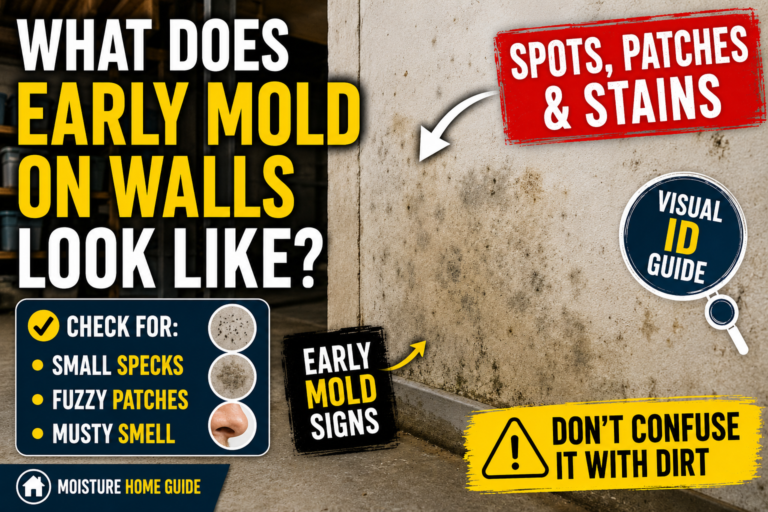
Can Basement Humidity Cause Mold Without Visible Water?
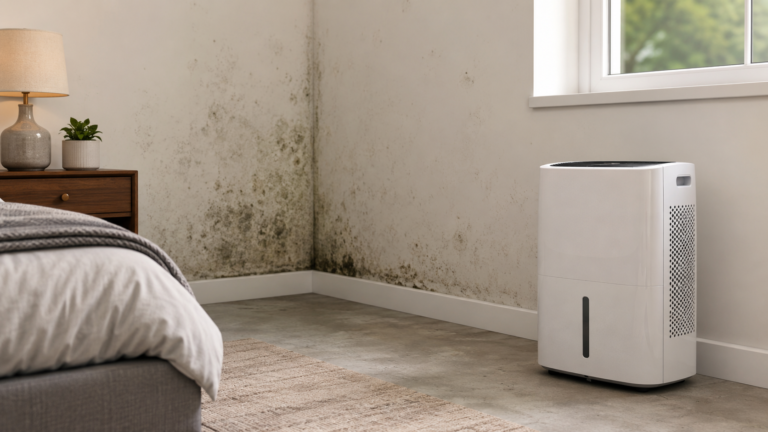
If you are asking can basement humidity cause mold without visible water, the short answer is yes. Mold does not need puddles or a dramatic leak to become a real concern. In many basements, the risk builds quietly when damp air lingers too long around cool surfaces, storage zones, and slower-drying corners.
Quick Answer
Yes, basement humidity can support mold growth even when there is no visible water. Mold does not always need puddles, dripping walls, or obvious leaks to become a risk. If the air stays humid for too long, especially around cool surfaces, closed corners, and slow-drying storage areas, repeated moisture in the air can be enough to create mold-friendly conditions.
Can Basement Humidity Really Cause Mold Without Visible Water?
Many people assume mold only becomes possible when they can actually see water. In basements, that is often not how the problem begins. A space can look mostly dry and still hold enough moisture in the air to create the right conditions for mold over time.
That is what makes basement humidity tricky. The room may not show obvious water damage, but if damp air keeps settling on surfaces or stops the space from drying properly, mold risk can still rise.
Why Mold Can Appear Even When the Basement Looks Dry
A basement does not need visible water to stay moisture-prone. In many homes, the problem starts with humid air, cooler surfaces, and slower drying rather than a dramatic leak.
Basements are more vulnerable because they usually:
- stay cooler than upper floors
- get less natural airflow
- dry more slowly
- trap humidity in corners, storage areas, and along walls
That means the basement can look fine at first while still behaving like a room that is holding too much moisture.
Humid air can settle on cool surfaces
Moisture in the air often collects first on walls, pipes, windows, or colder corners. This may not always produce obvious dripping, but it can create repeated low-level dampness.
Slow drying matters more than visible water
A basement that never quite dries properly is often more at risk than it looks. Mold-friendly conditions build from repetition, not only from one wet event.
Storage can make the pattern worse
Cardboard, fabric bins, books, luggage, and soft materials can hold moisture and stale air. That makes it easier for the room to stay humid enough for longer than it should.
What Humidity Level Makes Basement Mold More Likely?
Humidity becomes more concerning once it stays high often enough for the basement to stop drying properly. The exact threshold is covered in more detail in what humidity level becomes risky for mold, but the key point here is that sustained humidity matters more than one isolated reading.
A basement that stays too humid day after day is much more likely to support mold than one that has a brief spike and recovers quickly.
This article is not trying to answer the exact number in full. Its purpose is narrower: to explain that humidity alone can create mold risk even when visible water is missing.
Why This Is Different From a Basement That Is Humid Without Rain
A basement can stay humid for many reasons, and that topic has its own separate answer. If you are mainly trying to understand why a basement can stay humid without rain, the focus should be on airflow, condensation, trapped moisture, and below-grade behavior.
This article is a step further along in the chain. The question here is not just why the basement feels humid. It is whether that humidity can become a mold risk even when the room still looks dry.
That distinction matters for the cluster:
- this page = can humidity create mold risk without visible water
- /why-is-my-basement-humid-even-without-rain/ = why the air stays humid
- /what-humidity-level-causes-mold-in-basement/ = when the humidity threshold becomes risky
- /what-causes-mold-on-walls/ = broader causes of wall mold
Signs Your Basement Has a Humidity Problem Even Without Water
The air feels heavy or clammy
A basement can feel too damp before anything looks visibly wet. Heavy air, slower drying, and a room that never quite feels fresh are often the earliest clues that humidity is lingering too long.
Musty smell shows up before visible damage
If odor is the first clue, compare it with why a basement smells musty even when it looks dry before waiting for visible mold.
A musty smell is often one of the first signs that the room is staying too moist. If the odor is strongest near storage, wall edges, or lower corners, that usually points to repeated humidity rather than a one-time spill.
Cool surfaces never seem to dry fully
If pipes, wall edges, or cold corners stay slightly damp or stale-feeling, the room may be collecting moisture in ways that never become dramatic enough to look like a leak.
Stored materials start to feel stale
Cardboard, fabrics, books, and luggage often reveal a humidity pattern before walls do. When stored items smell off faster than expected, the basement air is usually part of the problem.
When Humidity Alone Becomes More Serious
Humidity is more likely to move from “mild annoyance” to real mold risk when the basement stays damp over time instead of drying out between weather changes, laundry use, or closed-room periods.
- the same wall or corner keeps smelling stale
- mold-prone spots appear near storage or along cold walls
- the basement stays heavy even in dry weather
- boxes or fabrics keep absorbing odor
- condensation shows up on pipes, windows, or colder surfaces
At that point, the room is no longer just humid in a vague sense. It is behaving like a space that may support mold even without visible standing water.
What to Do First
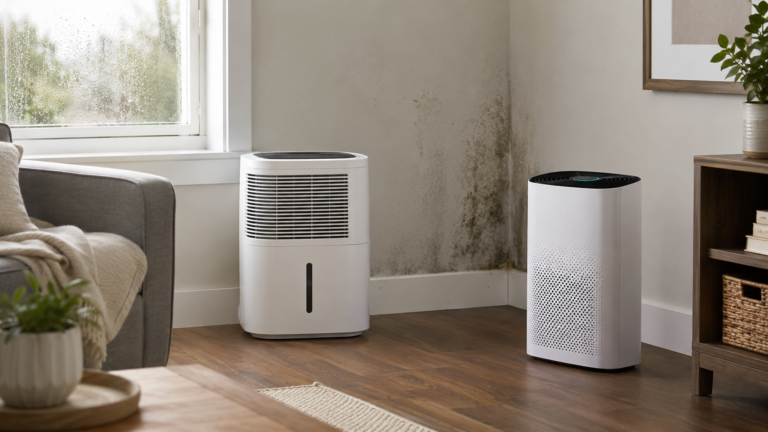
If wall symptoms are part of the issue, see when humidity control can help with wall mold before assuming the problem is only surface cleaning.
Start by measuring the room instead of relying only on feel. A hygrometer helps confirm whether the basement is staying in a safer range or drifting into a pattern that supports mold.
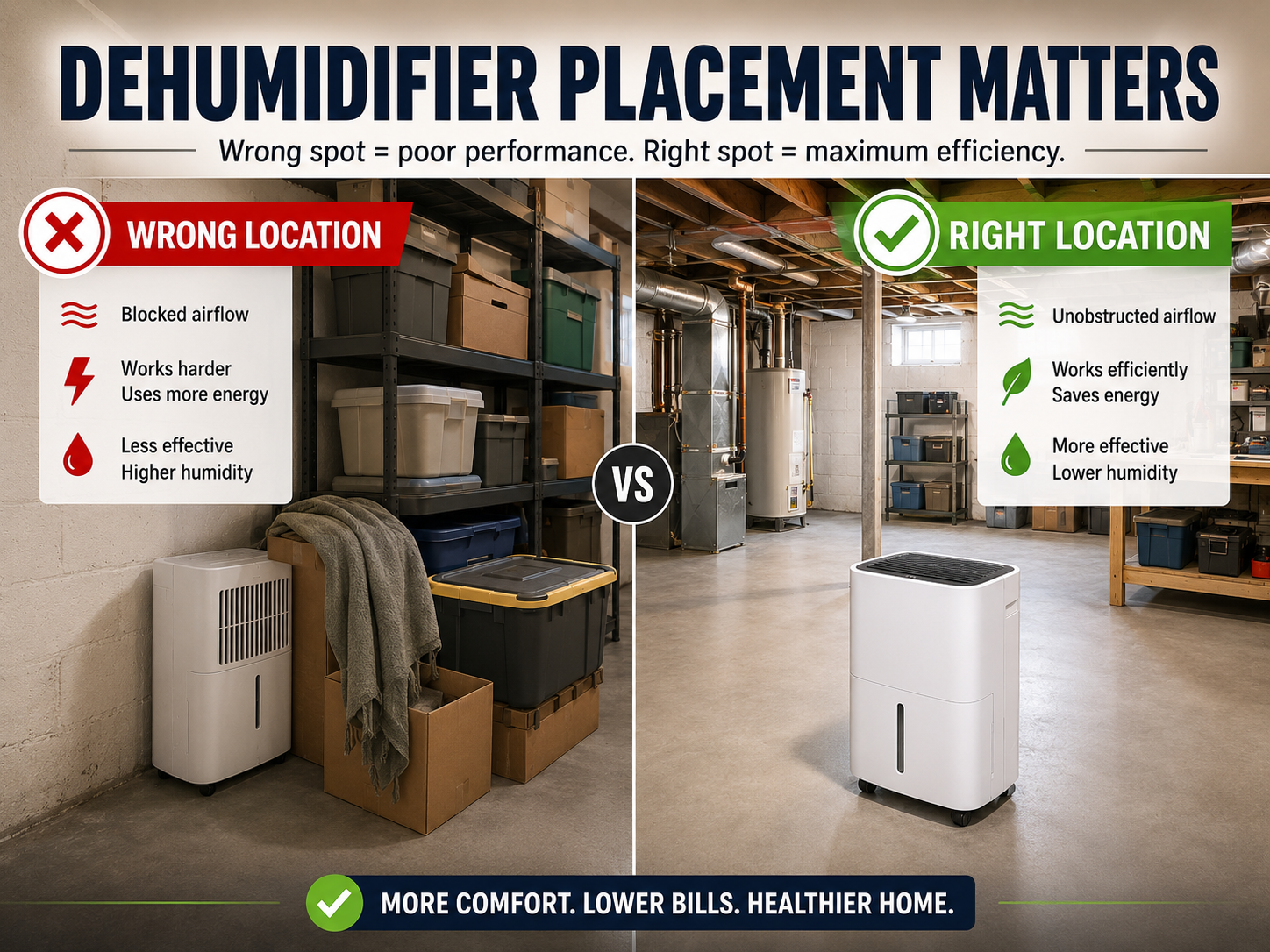
If the basement already shows a broader damp pattern, compare this with basement moisture problems. If the concern is whether humidity control alone can help, best dehumidifier for basement is the next practical step.
And if the room seems dry but still smells wrong, why a basement smells musty even when it looks dry helps narrow the difference between hidden moisture, stale air, and true mold risk.
Humidity Clues vs Mold Risk
| Humidity clue | What it may mean |
|---|---|
| Heavy, clammy air | The room is holding more moisture than it should |
| Musty smell without leaks | Humidity may be lingering in materials or corners |
| Cool damp-feeling walls | Condensation or slow drying may be feeding mold risk |
| Stale boxes or fabrics | Stored materials are absorbing moisture from the room |
| Recurring spots near cold surfaces | Humidity may already be supporting mold-friendly conditions |
FAQ
Can basement humidity cause mold even if I never see water?
Yes. Repeated humidity, condensation, and slow drying can create enough moisture for mold even without obvious puddles or leaks.
Does mold always mean there is a hidden leak?
No. A hidden leak is one possibility, but many basements support mold because humid air keeps affecting cool surfaces and storage areas over time.
What should I check first if the basement looks dry?
Check room humidity, musty smell, cold corners, stored materials, and whether the basement ever seems to dry properly after humid weather or normal use.
Can a dehumidifier help if humidity is the main problem?
Often yes. If the main issue is sustained humidity rather than direct water entry, active moisture control can reduce mold-friendly conditions.
Closing
Basement humidity can absolutely create mold risk without visible water. The problem often starts quietly, with humid air, cooler surfaces, and a room that never fully dries out. Once you treat that humidity pattern as a real moisture clue instead of waiting for a visible leak, the next steps become much easier to judge.