Will a Dehumidifier Stop Mold Coming Back?
If you are asking will a dehumidifier stop mold coming back, you are probably already past the first stage of the problem. The mold has already shown up once, maybe more than once.
Quick Answer
A dehumidifier can help stop mold from coming back when excess humidity or repeated condensation is part of the cause, but it will not solve leaks, hidden water entry, or already damaged materials by itself.
Quick Tip
If mold keeps returning in the same room, ask whether the room stays damp too long, not just whether the visible spot was cleaned well.
Important
This is where expectations matter. A dehumidifier is often useful for prevention, but it is not a guaranteed cure-all. The better the room’s moisture pattern matches the tool, the more likely it is to help.
You may have cleaned it. You may have painted over the area. You may have improved airflow a little. But the real question now is whether lowering humidity can actually stop the cycle or whether the room is dealing with something deeper.
That is a better question than whether a dehumidifier helps mold in the abstract. The issue is not whether the machine can do something useful. The issue is whether it can stop recurrence in your specific kind of room. When someone asks will a dehumidifier stop mold coming back, the real answer depends on whether humidity is still feeding the same spot.
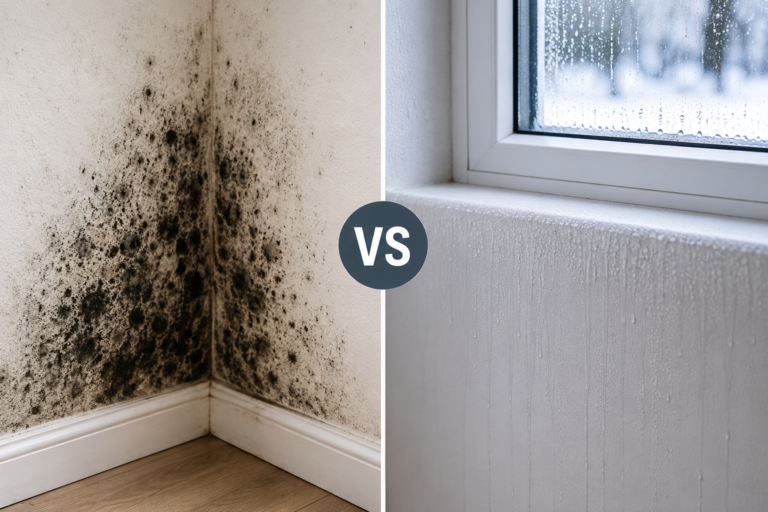
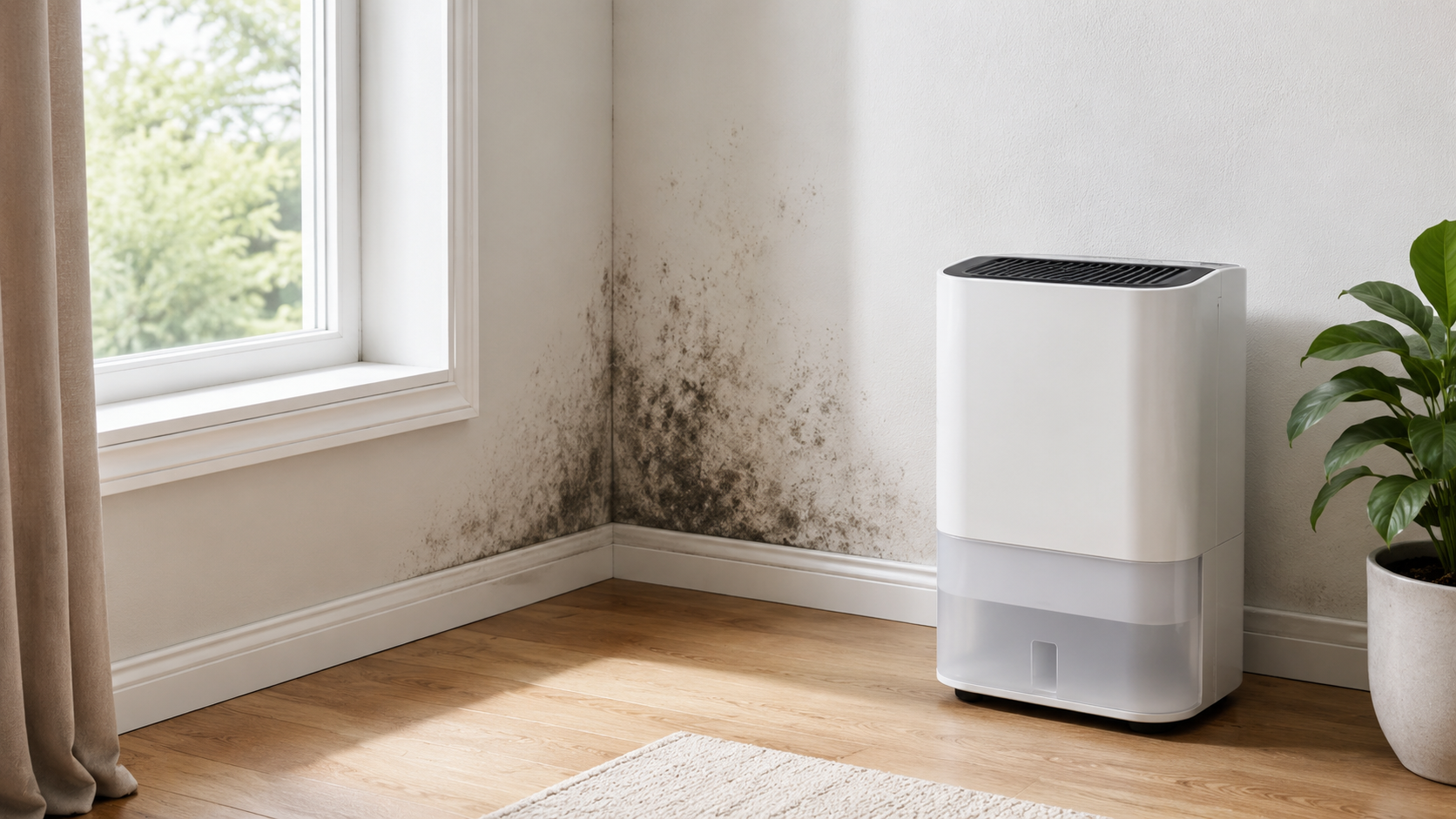
In many homes, recurring mold is less about one dramatic event and more about repeat conditions. A cold wall gets condensation again and again. A basement stays damp every humid season. A bedroom window area keeps collecting moisture overnight. In those cases, a dehumidifier can be very relevant because it helps change the room conditions that keep feeding the problem. If you want the wall-specific version first, compare it with whether a dehumidifier can help with wall mold.
Will a dehumidifier stop mold coming back if humidity is the issue?
Mold usually comes back because the conditions that supported it the first time never fully changed. Cleaning the visible patch may improve the surface, but if the room still stays damp enough, the same area often becomes vulnerable again.
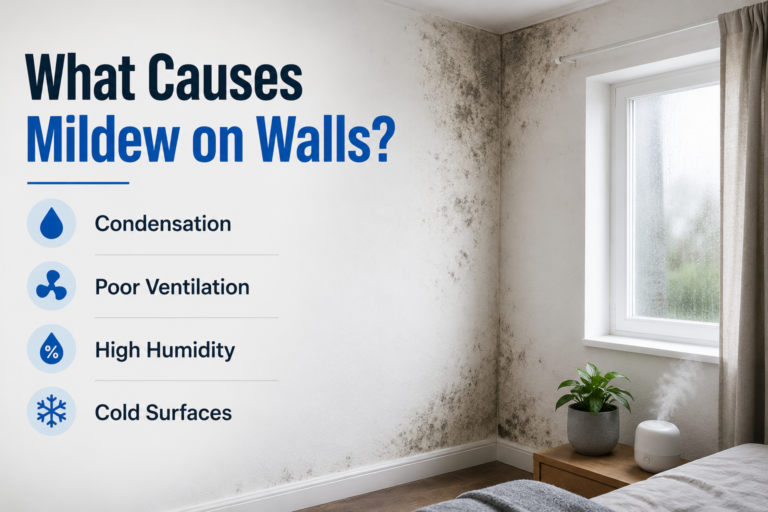
- the room is too humid
- windows or walls keep collecting condensation
- a basement remains damp through the season
- air does not move well around cold surfaces
- a closet or corner stays stale and enclosed
- water is still getting into the wall or room somehow
That is why recurrence usually tells you more about room behavior than about cleaning quality. To understand the root cause better, it helps to review what usually causes mold on walls in the first place.
When a dehumidifier is likely to help prevent recurrence
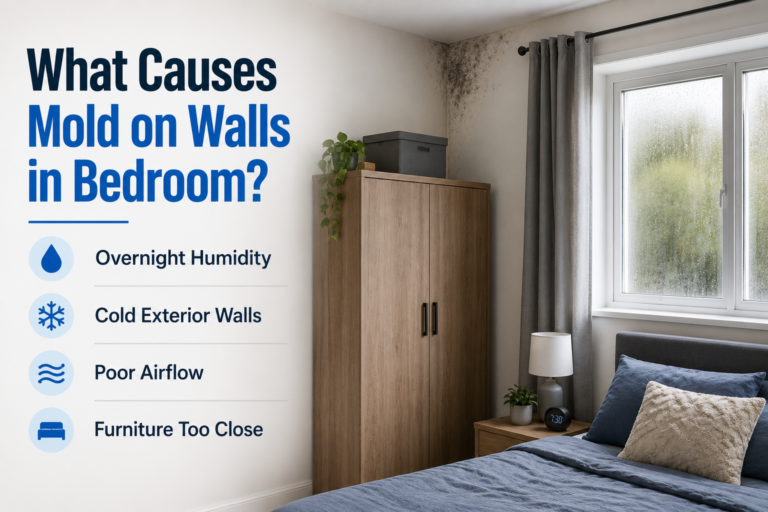
Condensation-prone bedrooms
If a bedroom gets fogged windows, damp-feeling air, and mold-prone spots near an exterior wall, lowering humidity can make a real difference.
Damp basements
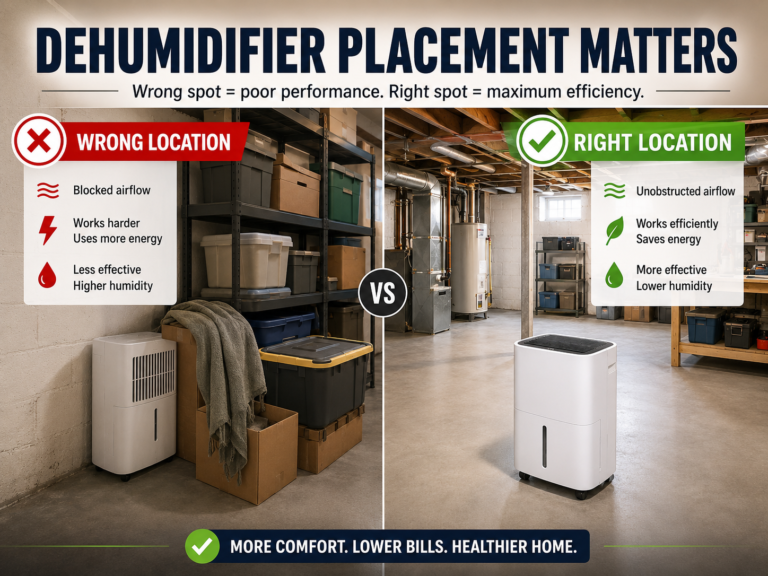
A basement that feels heavy or musty often gives mold-friendly conditions too much time to repeat. A dehumidifier is often one of the most practical prevention tools here.
Rooms with high humidity
If the room consistently runs humid, especially during certain weather patterns, reducing that humidity can help keep surfaces drier.
Exterior walls behind furniture
These areas often stay cooler and get less airflow. If the whole room is also humid, the wall stays vulnerable longer than it should.
When a dehumidifier probably will not stop the problem
A dehumidifier is much less likely to stop recurrence if there is a leak behind the wall, the same area gets wet from outside water entry, plumbing is involved, paint is bubbling from inside-wall moisture, or the wall feels soft or structurally wet.
In those situations, humidity control may support the room, but it is not enough on its own. This is also where knowing when an air purifier is not enough for mold can help keep expectations realistic.
What to check before relying on one
- Is the room generally humid?
- Do windows sweat often?
- Is the mold worse in certain seasons?
- Is the affected wall on an exterior side?
- Is there blocked airflow near the patch?
- Is there any reason to suspect hidden water entry?
If the answers point toward room humidity and recurring condensation, the dehumidifier argument becomes much stronger. A hygrometer can help confirm room humidity, and a moisture meter may help if you are unsure whether the wall itself is still holding unusual moisture. If the same warning signs keep returning, compare them with signs the humidity problem is still there.
Common mistakes people make
- Treating the dehumidifier like a one-step fix
- Ignoring where the mold keeps returning
- Cleaning repeatedly without changing the room
- Assuming mold recurrence always means severe damage
What happens when the root cause stays active
If the real cause remains active, the best-case outcome is partial improvement. The room may feel drier, but the same vulnerable area may still keep reacting.
That is why recurring mold deserves a responsible approach: improve conditions, but do not ignore clues that suggest direct water entry or wall dampness beyond normal room humidity. If you still need a home dehumidifier after that diagnosis, the next step is usually choosing one for the wider room pattern.
Mold recurrence prevention checklist
| Question | Why it matters |
|---|---|
| Does the room stay humid? | Strong sign a dehumidifier may help |
| Do windows or walls condense? | Recurring dampness clue |
| Is the patch in the same exact spot? | Helps identify room pattern vs leak |
| Is airflow blocked nearby? | Slower drying means higher recurrence risk |
| Is there any known leak history? | Product alone may not be enough |
If mold keeps coming back in the same room, it is usually worth looking beyond the patch itself. A dehumidifier can help when humidity is part of the cycle, but the room pattern still needs to make sense first.
Frequently asked questions
Will a dehumidifier stop mold coming back?
Sometimes yes, especially when excess room humidity or condensation is the main reason mold keeps returning.
Can it help if the mold is on a cold exterior wall?
Yes, it may help if that wall is staying damp because of room humidity and poor drying.
Is a dehumidifier enough for leak-related mold?
No. If the wall is being fed by direct water entry, the source still needs attention.
How do I know if humidity is really the issue?
Look for room-wide clues such as condensation, clammy air, seasonal patterns, and repeated dampness.