This section focuses on condensation, damp rooms, stale indoor air, and the practical changes that help a home dry out more effectively.
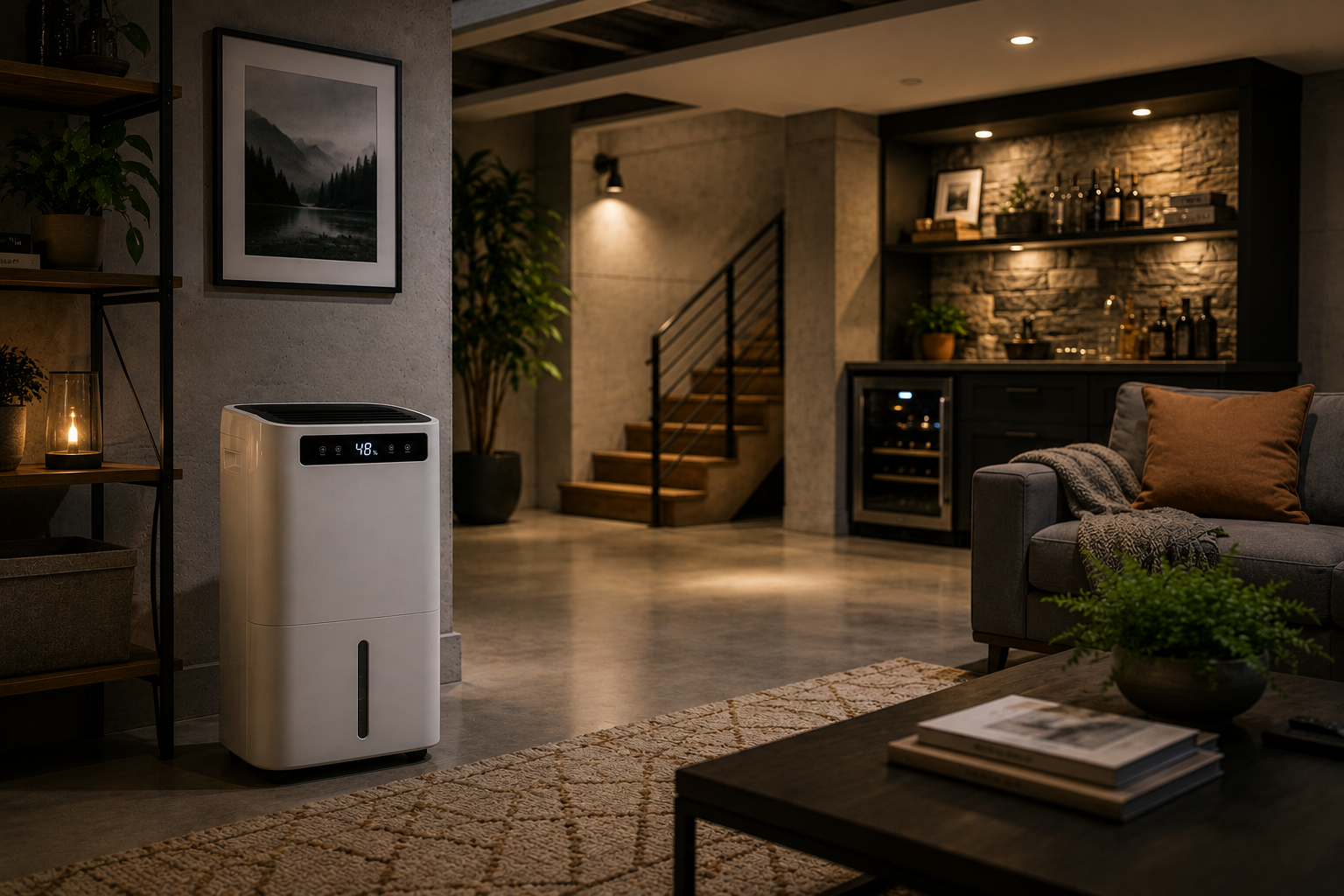
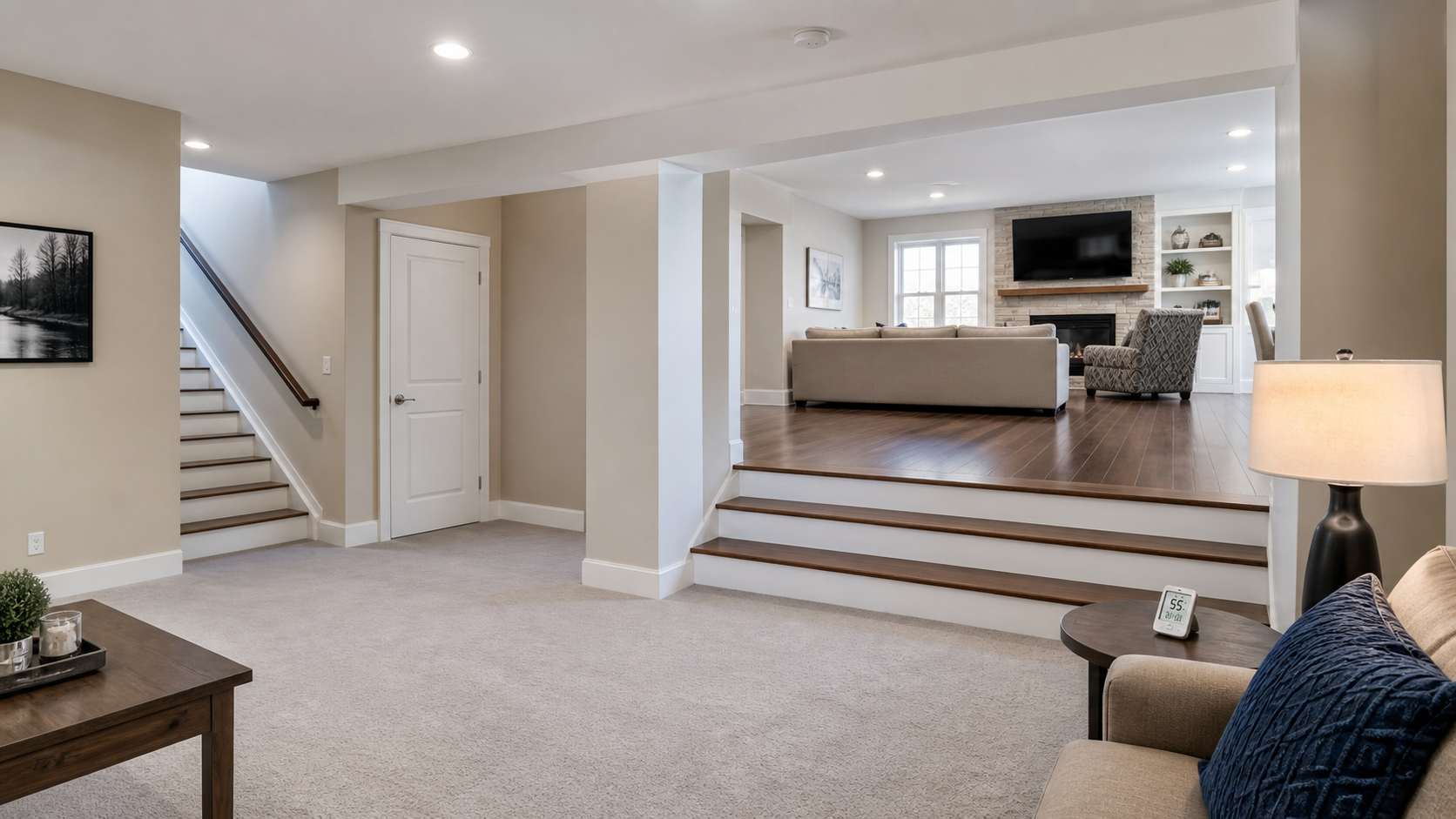
Are Basements More Humid Than Upstairs? Why It Happens and What to Do
Are basements more humid than upstairs? Learn why lower levels stay damper, what to check first, and when basement humidity needs action.
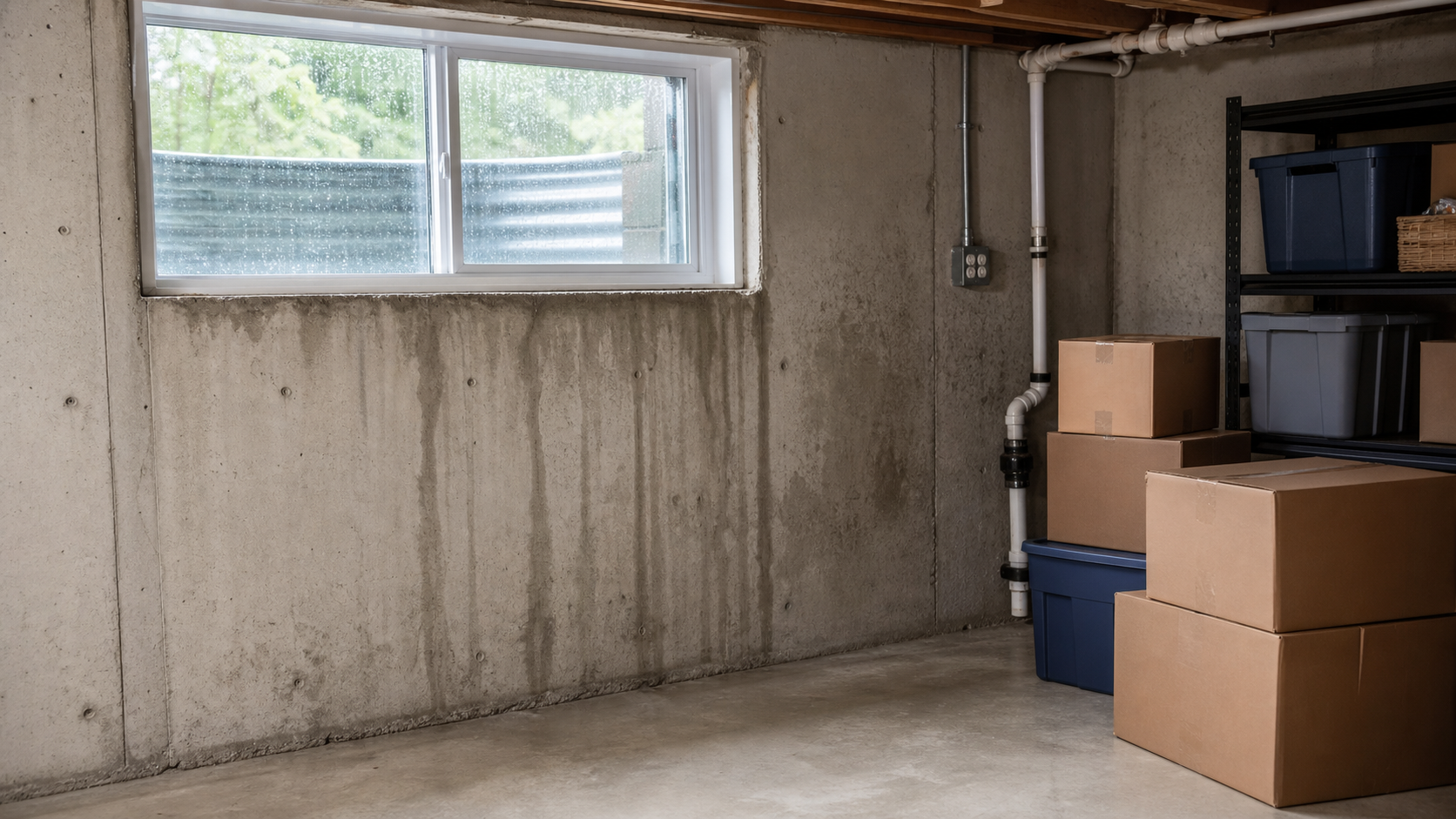
Why Does My Basement Smell Musty After Rain?
Learn why a basement may smell musty after rain and what moisture clues to check first.
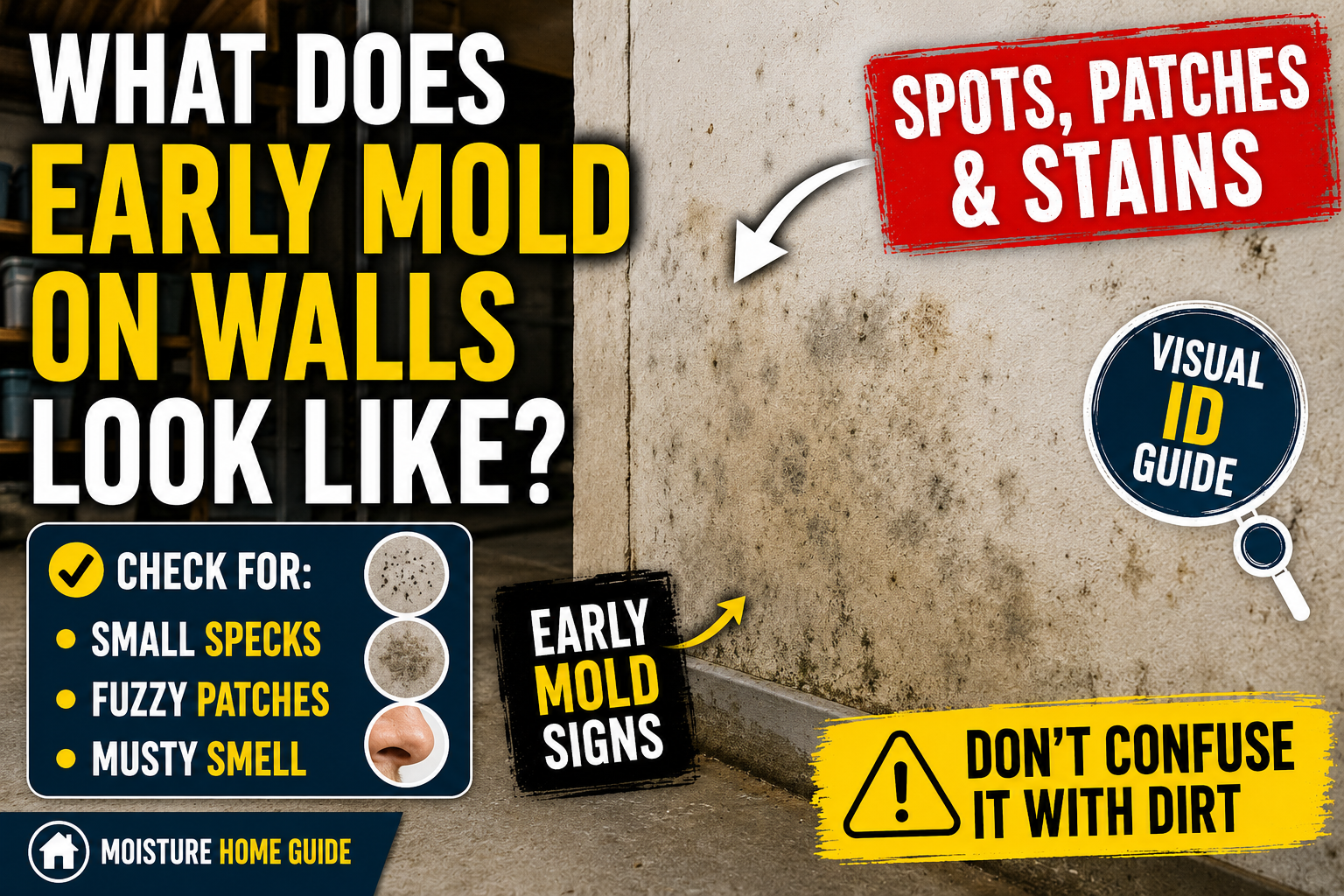
What Does Early Mold on Walls Look Like?
What does early mold on walls look like? Learn how small specks, fuzzy patches, stains, mildew, dirt, and efflorescence can differ.

What Setting Should a Basement Dehumidifier Be On?
What setting should a basement dehumidifier be on? Most basements are managed around 45-50% humidity. Learn when to adjust the setting and…
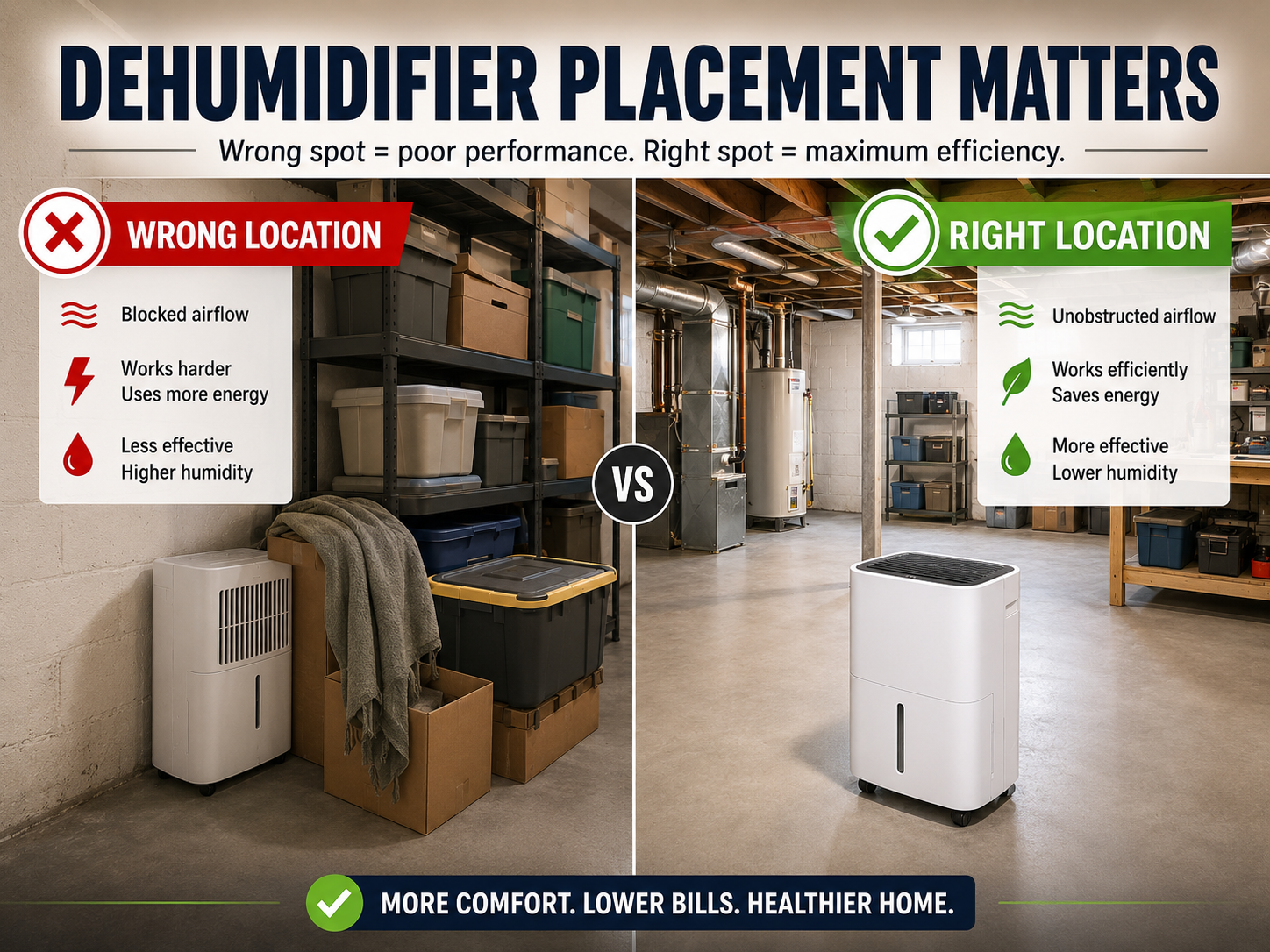
Can Basement Humidity Cause Mold Without Visible Water?
Learn how basement humidity can support mold growth even without visible water, what signs to watch for, and when humidity alone becomes…
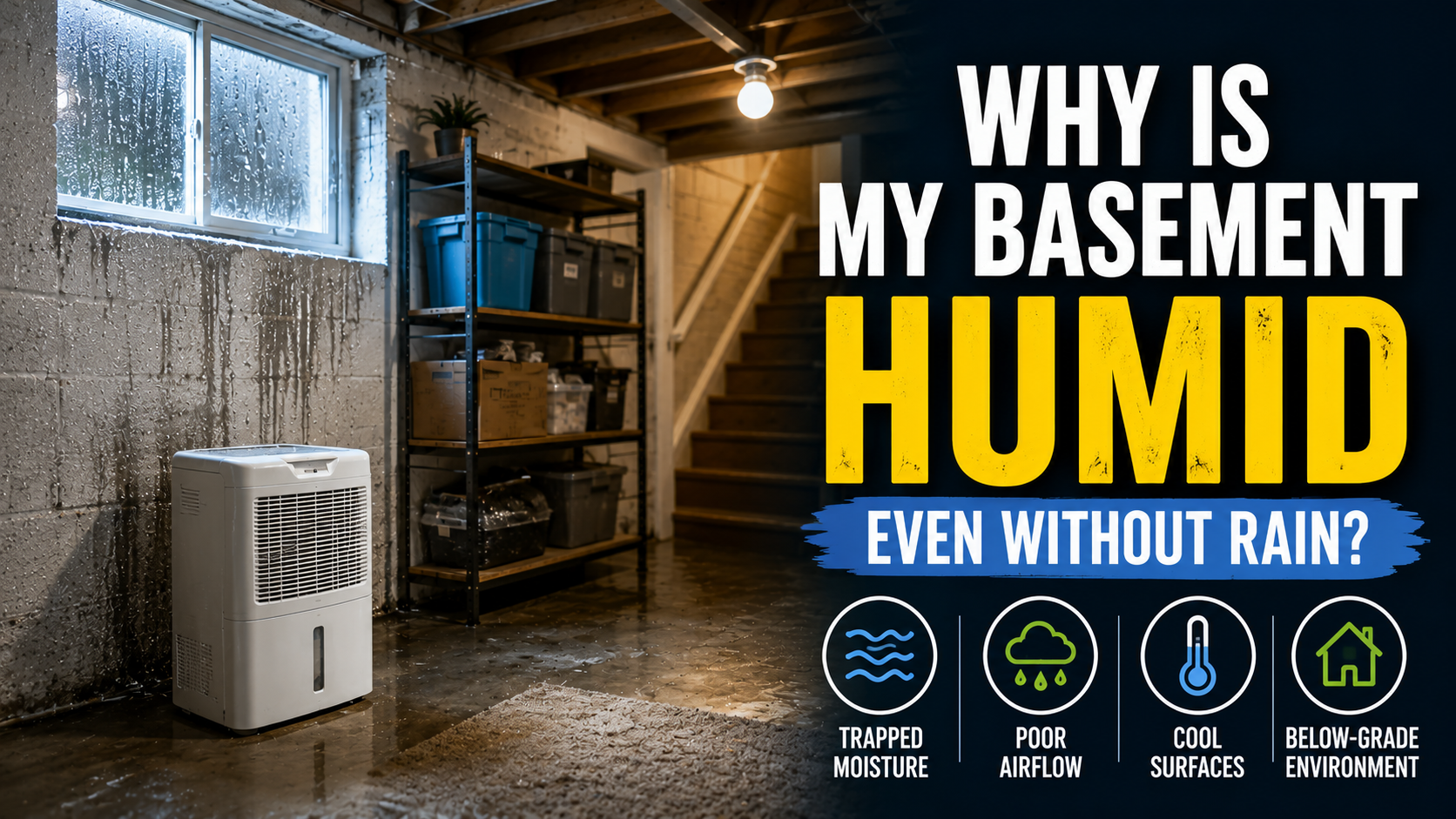
Why Is My Basement Humid Even Without Rain?
Why is my basement humid even without rain? Discover 7 hidden causes, including trapped moisture, condensation, poor airflow, and indoor humidity patterns.
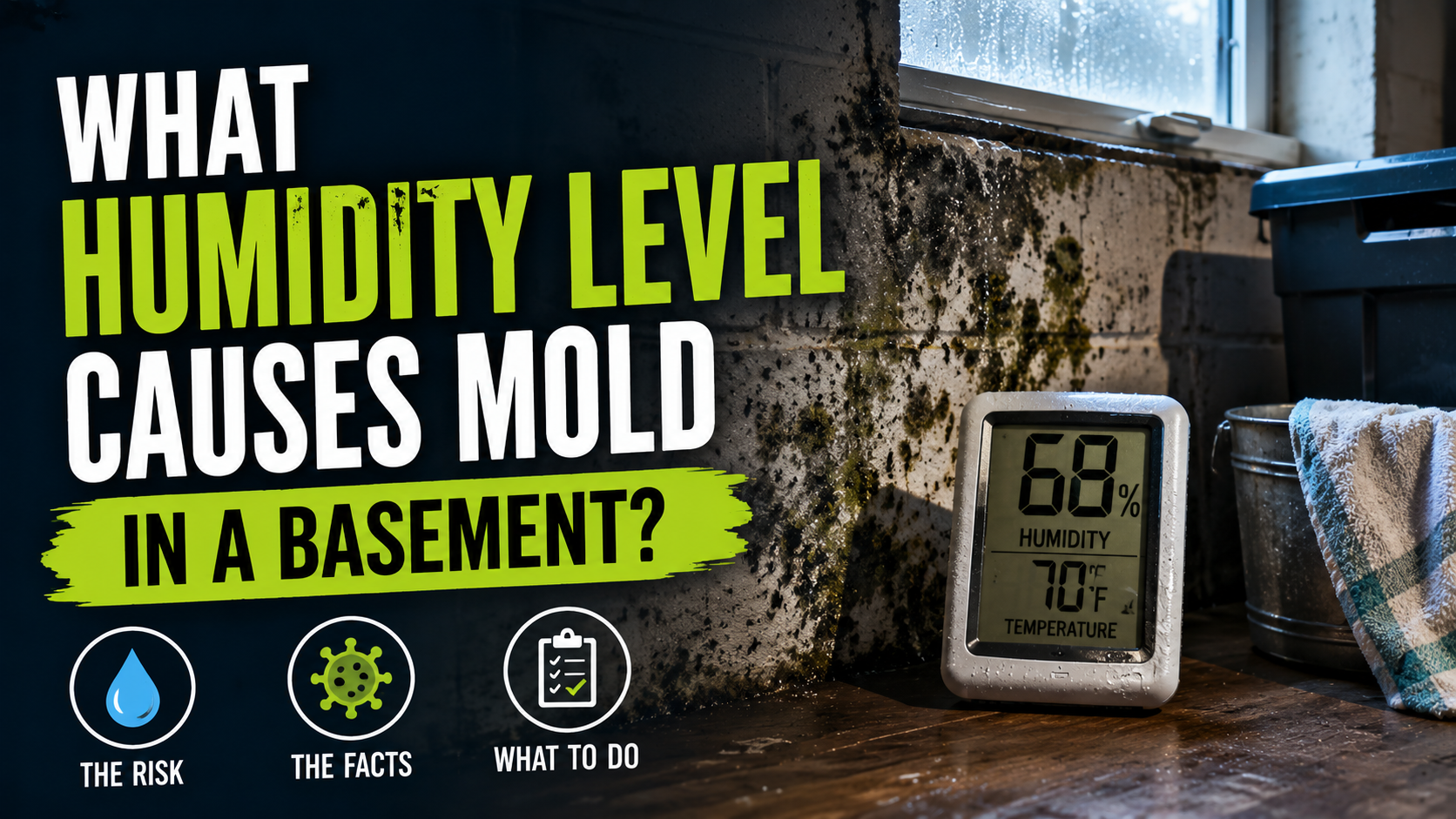
What Humidity Level Causes Mold in a Basement?
What humidity level causes mold in basement spaces? Learn when 60% becomes risky, why humidity patterns matter, and how to lower mold…
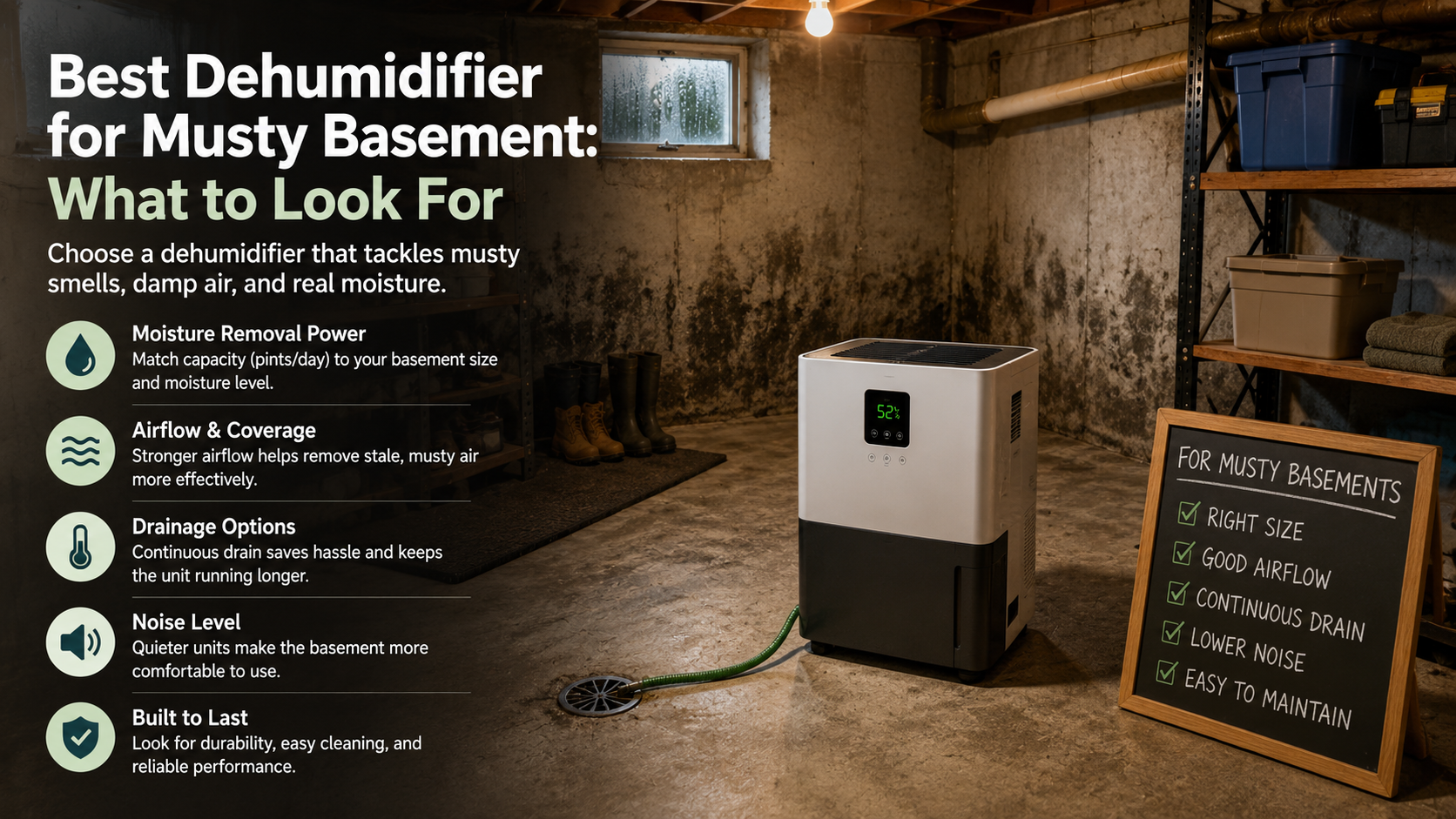
Signs Your Basement Needs a Dehumidifier
Does my basement need a dehumidifier? Learn 7 warning signs, from musty smells and condensation to damp air, slow drying, and recurring…