Why Do My Windows Sweat? Causes, Risks and Simple Fixes
Quick Answer
Sweating windows are usually a sign that indoor air is holding more moisture than the colder glass can handle, especially overnight or in poorly ventilated rooms.
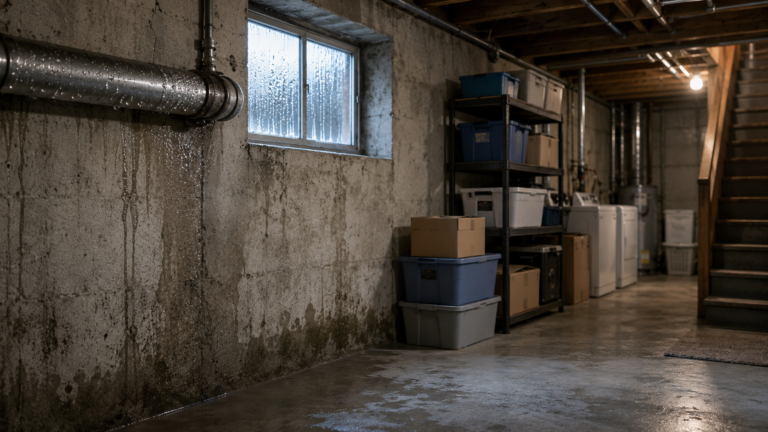
Window condensation is one of the clearest visible clues that a room may be running too humid. The droplets are not the root problem by themselves. They are a signal about the balance between indoor moisture, airflow, and temperature.
Why it happens
- Warm moist air meeting colder window glass
- Bedrooms or bathrooms with limited airflow
- Laundry, showers, or cooking adding more moisture indoors
- Curtains or room layouts trapping humid air against the glass
| Pattern | What it often suggests |
|---|---|
| Morning condensation | Overnight moisture build-up |
| Condensation in several rooms | Whole-home humidity running high |
| Wet window edges and nearby mold | Repeated moisture exposure |
Quick Tip
Daily heavy condensation that wets the sill is much more useful as a warning sign than a light patch of fog during a cold snap.
What usually helps first
Most homes improve by lowering the evening moisture load, improving extraction after showers or cooking, and making sure the room can dry out properly overnight. If you need a more specific overnight checklist, see how to stop condensation on windows overnight.
For the next steps, compare Best Dehumidifier for Home, How to Reduce Moisture in Your Home Naturally, and How to Tell If You Have Mold Behind Walls.
Important
Wiping the glass every morning helps with the symptom, but it does not reduce the moisture pattern that keeps recreating it.
Frequently asked questions
Is window condensation always bad?
Not always, but repeated heavy condensation usually means the room stays more humid than it should.
Can condensation lead to mold?
Yes. Repeated moisture around the frame and nearby plaster can support mold over time.
Do bad windows always cause it?
Not always. Room humidity and airflow often play a bigger role than people expect.
When should I think about a dehumidifier?
When the room stays damp despite better moisture habits and airflow.
Want to reduce the room moisture load first?
Start with the practical room habits and moisture fixes that usually improve condensation before you buy anything.