Best Dehumidifier for Basement Apartment
Choosing the best dehumidifier for basement apartment use is not quite the same as choosing one for a traditional unfinished basement. A basement apartment is a living space first. That changes the priorities. Yes, you still care about dampness, stale air, and moisture control, but you also care about sleep, noise, floor space, drainage practicality, and whether the unit fits daily life in a smaller room.
Quick Answer
The best dehumidifier for a basement apartment is the one that fits a lived-in lower-level space: enough moisture control for damp air, but also practical noise, drainage, and footprint for everyday comfort.
Quick Tip
If the apartment feels heavy at night, windows fog up, or soft furniture feels damp, prioritize real-world livability, not just raw power on the box.
Important
Basement apartments behave more like compact homes than utility rooms. That means the right machine has to work for noise, sleep, drainage limits, and smaller living space, not just moisture removal on paper.
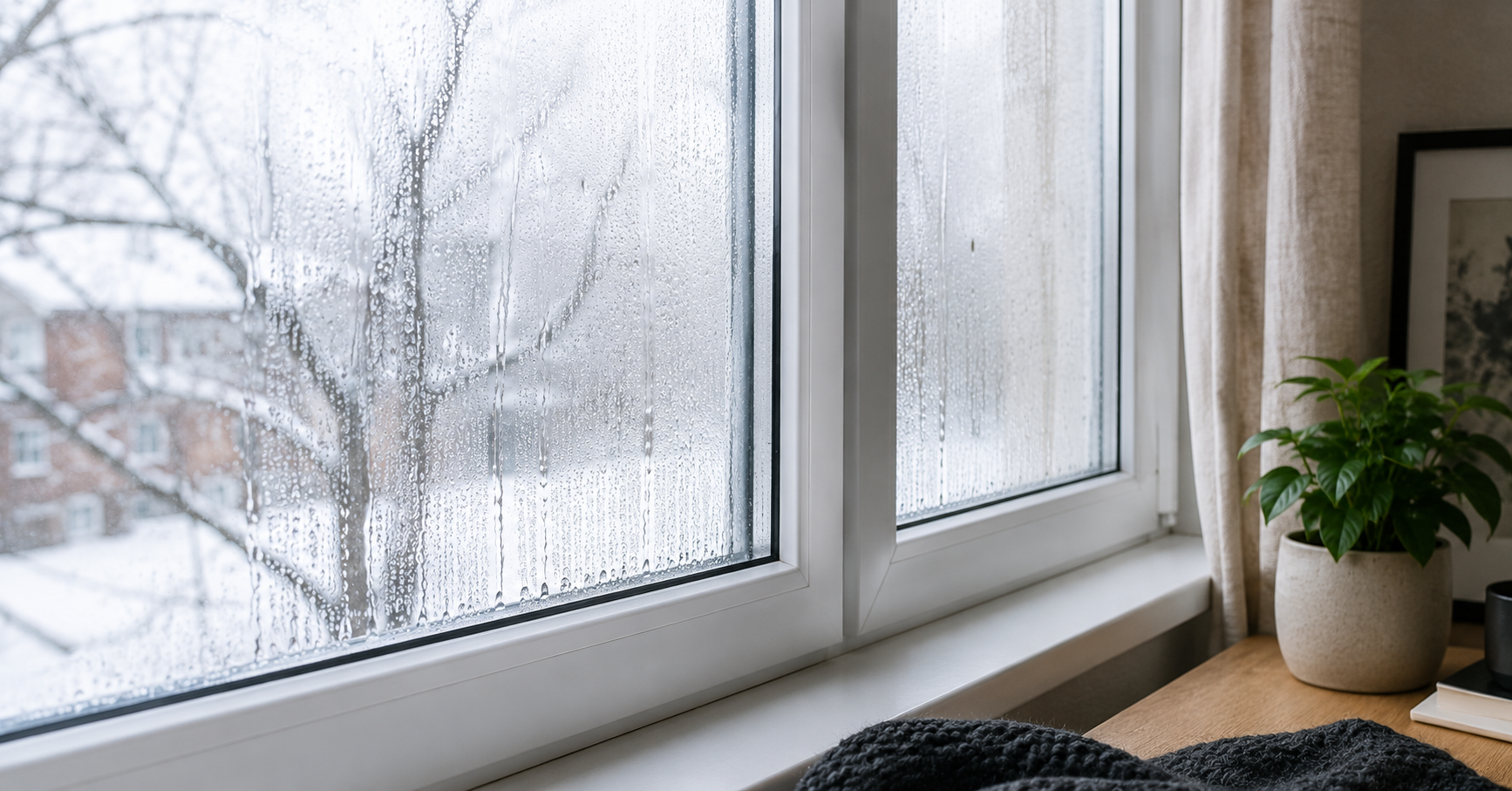
This matters because many basement apartment moisture problems are real even when they do not look dramatic. The air may feel heavy at night. Windows may collect condensation. Laundry moisture may linger longer than expected. Closets may smell stale. Soft furniture and bedding may take on a damp feel faster than they should. In a lower-level living space, those problems affect comfort much more directly than they do in a storage-only basement.
That is why the right dehumidifier choice here is not just about power. It is about fit. A unit that is technically strong but noisy, bulky, and awkward to empty every day may not be the best practical choice in a basement flat or apartment. In practice, the best dehumidifier for basement apartment use is usually the one that balances comfort, footprint, and moisture control together. In practice, the best dehumidifier for basement apartment use is usually the one that balances comfort, footprint, and moisture control together. In practice, the best dehumidifier for basement apartment use is usually the one that balances comfort, footprint, and moisture control together. If you want the broader buying logic first, start with choosing the right basement dehumidifier.
Best Dehumidifier for Basement Apartment: What Matters Most
A basement apartment usually has less space, more daily use, and more lived-in surfaces than a simple storage basement. People sleep there, cook there, dry towels there, and store clothing there. That means humidity affects the space more personally and more quickly.
There may also be rental limitations. You might not be able to drill for drainage, change ventilation, or make building upgrades. You may need a setup that works with the room as it is.
In shared buildings, another factor appears: noise. A loud dehumidifier in a utility basement is one thing. A loud machine beside a bed, sofa, or desk is another.
The most common moisture issues in basement apartments
- damp air at night
- window condensation
- stale bedroom smell
- clothes and soft furnishings feeling heavier
- laundry moisture lingering
- musty closets or wall-adjacent corners
- slower drying after showers or cooking
These signs usually matter more than abstract humidity concerns because they affect how livable the space feels.
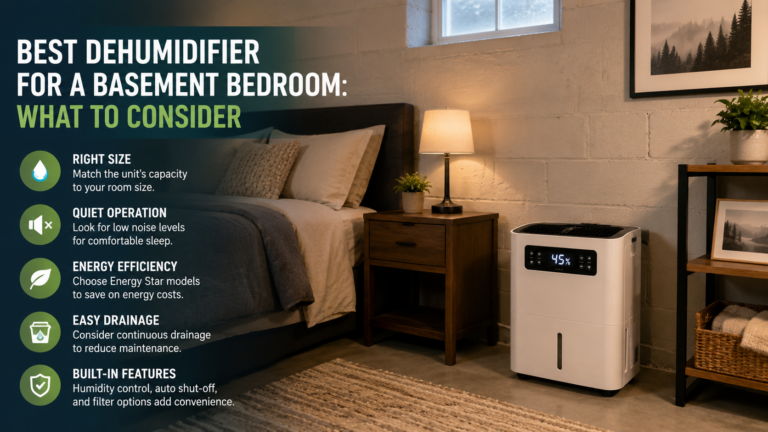
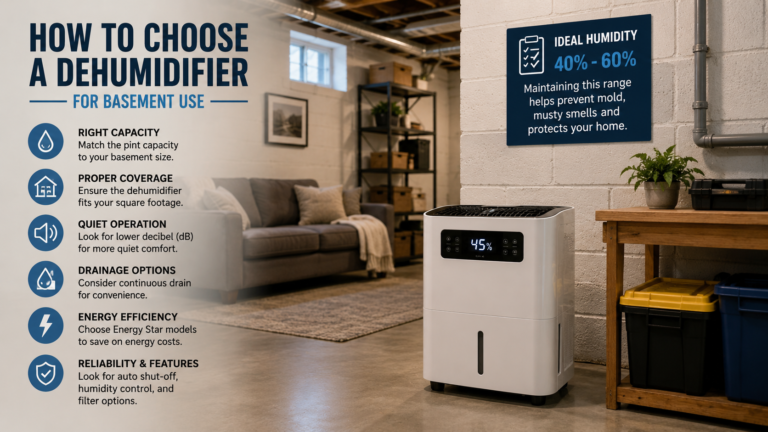
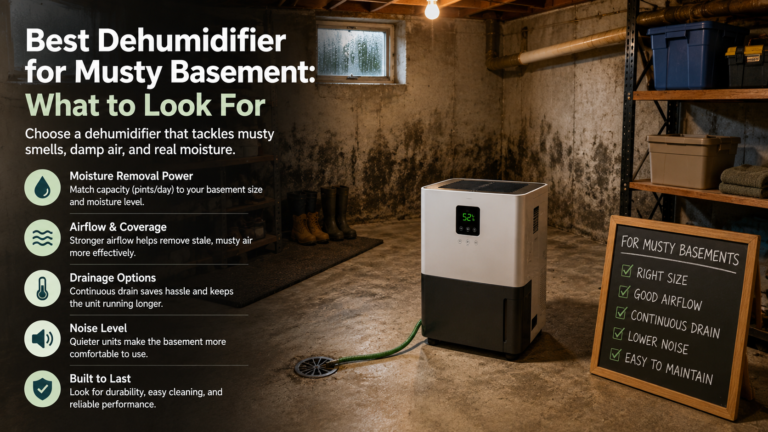
What to look for before buying
Size and footprint
In a basement apartment, physical size matters. A machine that works well on paper but dominates the room may be a poor fit. Smaller apartments need enough moisture control without giving up too much usable space.
Noise level
Noise is one of the biggest basement apartment filters. If the unit may run near where you sleep or work, quieter operation becomes much more important than in a storage basement.
Drainage options
Drainage still matters, but the setup may be harder in an apartment. Some spaces can support hose drainage. Others cannot. If not, tank access and ease of emptying become much more important.
Tank convenience
A compact unit with a very small tank can become annoying fast in a damp lower-level flat. Think about how often you realistically want to empty it.
Humidity controls
Adjustable humidity settings help the machine behave like a practical room tool rather than something that simply runs without much flexibility.
Energy awareness
A basement apartment dehumidifier may run often enough to affect comfort and cost decisions. You do not need exact electricity maths to know that efficiency and intelligent use matter. It also helps to think about checking the right dehumidifier size first before you buy.
Buying examples by real use case
Small studio basement flat
Here the machine has to be space-aware and quiet enough to live with. A huge unit may be overkill if it makes the room harder to use.
Basement bedroom suite
If the main concern is overnight dampness, stale bedding, or condensation, then quiet performance and sensible humidity control become key.
Rental with limited setup freedom
Rentals often limit permanent drainage changes or structural fixes. In those spaces, portability and easy emptying become more important.
Shared-building lower level
If the lower-level apartment sits beneath or beside other occupied spaces, both noise and drainage practicality matter more than usual.
Mistakes to avoid before buying
- Buying only for raw power
- Ignoring noise
- Forgetting drainage realities
- Choosing a basement utility model for a lived-in room
If the basement moisture pattern is broader than one compact apartment problem, it is worth stepping back to if the basement moisture pattern is broader before you treat this like a simple appliance choice.
Simple basement apartment buying checklist
| Factor | Why it matters |
|---|---|
| Footprint | Smaller spaces need practical placement |
| Noise | Critical for sleep and daily comfort |
| Tank size | Affects routine convenience |
| Drainage setup | Depends on apartment constraints |
| Dampness severity | Helps decide how much capacity is really needed |
| Room use | Studio, bedroom, rental, or shared building all change priorities |
If your basement apartment feels damp enough to affect sleep, smell, or comfort, the best buying decision usually comes from matching the machine to the way the room is actually lived in. It also helps to recognise signs the air is holding too much moisture before you choose the setup. In practice, the best dehumidifier for basement apartment use is the one that solves dampness without making the room harder to live in. In practice, the best dehumidifier for basement apartment use is the one that solves dampness without making the room harder to live in.
The ENERGY STAR dehumidifier guide is also worth checking because smaller lived-in spaces benefit from practical efficiency, quieter operation, and realistic humidity targets.
Frequently asked questions
Is a basement apartment different from a regular basement for dehumidifier buying?
Yes. Basement apartments are lived-in spaces, so comfort, noise, and space limitations matter more.
Should I prioritise quietness over capacity?
Sometimes yes, especially in sleeping areas. The best fit is usually a balance, not the most powerful option available.
Is hose drainage always possible in a basement apartment?
No. Many rentals or smaller spaces make that less practical, which makes tank convenience more important.
Can a dehumidifier help a musty basement flat?
Yes, especially if the air feels damp, windows sweat, or fabrics and closets keep smelling stale.